
Many homeowners love the added charm that vines and greenery add to brick and other structures. If you own a masonry chimney, this may very likely be in your home décor plan. Unfortunately, despite the many go-ahead signals some websites today offer in regards to this process, growing vines on masonry chimneys is not a suggested technique and will likely cause a lot of damage (and headaches) further down the road. Two major effects of this seemingly harmless decoration technique is the increased moisture on the brick and the increased risk of pest invasion, once the plants start to grow.
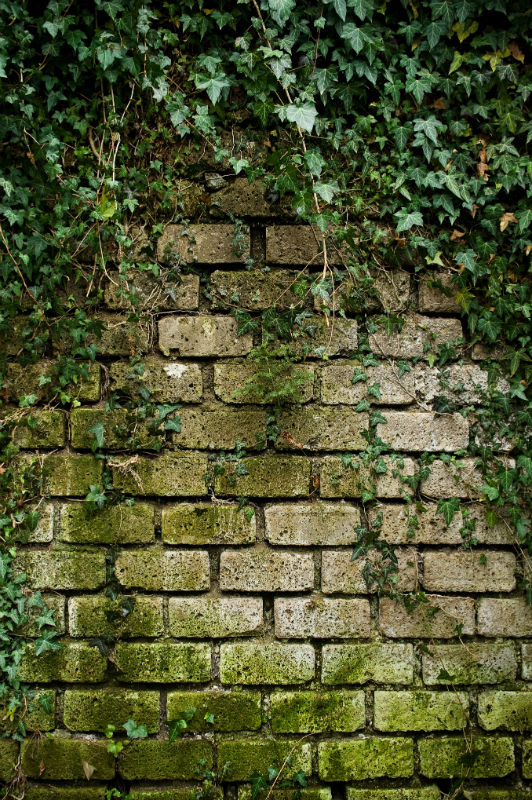
Increased Moisture
Moisture is known to be largely detrimental to brick, and most types of ivy will increase the damage that it can do. Vines tend to find any cracks that are already in the brick and mortar and penetrate them, causing the structure of the brick to lock in unnecessary moisture and deteriorate it. Pulling away the vines can also result in the mortar and brick being torn from the wall as the vine has firmly attached itself in order to grow.
Excess moisture in a masonry fireplace causes the mortar to become weak, thus making the brick sag and cause unbalanced pressure throughout the structure. Decay, rust, and water stains are a few more of the many negative side effects of too much moisture in a masonry chimney. These damaging effects not only ruin the look of the chimney, but can also cause structural issues that will violate the safety of a home’s construction. The costs involved in repairing this damage are large, making the incorporation of vines on masonry a bad long-term investment.
Increased Risk of Pests
Added moisture is not the only negative effect of vines on masonry. There is also the increased risks of nasty pests, living in or around these plants, infiltrating your home through the tendrils. While the look of the vines may add a nice feel to your home, the increased amount of pests living in them will cause a lot of extra discomfort and unneeded stress. Pests are commonly known for spreading disease and for causing further damage in and around the home, offering another reason why vines on brick is not a worthwhile decoration.
Instead…
Despite the beauty these plants so often provide to a home’s character, it is hardly worth the extra cost and maintenance that will need to be faced in years to come. Between pest control techniques and costs associated with deceasing the likelihood of different types of decay, it is best to appreciate the beauty of your masonry as it is. Once the damage is done, repair is both necessary and expensive.
If you had your heart set on doing some type of home décor project with your masonry chimney, there are many other alternative options that will not cause damage to your brick, such as the use of fake plants or vines. And if you are still hoping to incorporate plant life of some type inside, consider putting various potted plants around the chimney that are more suited to in-home care.
Olde Town Chimney Sweeps can help repair masonry damage caused by vines and other plants growing on your walls. Give us a call at 804-693-2859 or contact us here.